Phase-contrast & dark-field imaging
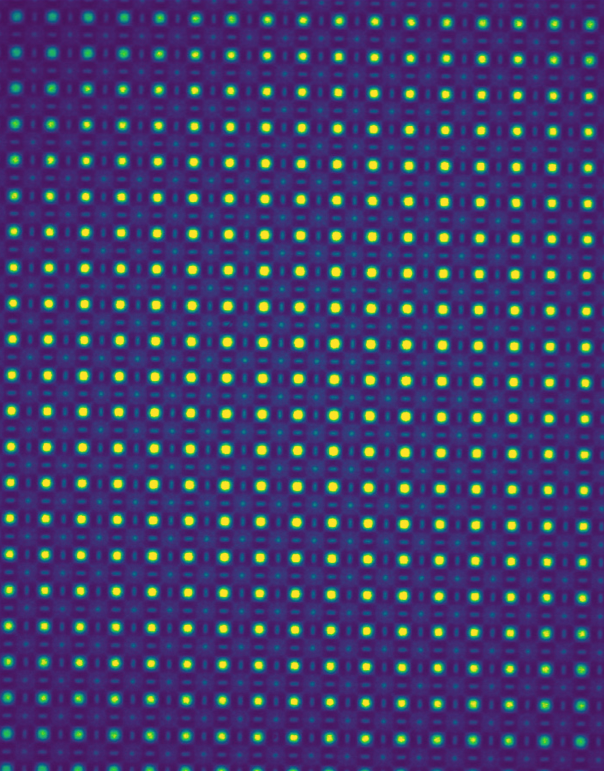
Exploiting the refractive index and small-angle scattering of X-rays for contrast channels beyond conventional attenuation, both at grating-based lab setups and at synchrotrons.
Fig. from IEEE TIP 2026 · CC-BY
Physicist, Researcher &
Science Communicator
Abstract
As a researcher, I love shining light on what is hard to see: I develop new X-ray technologies that reveal what conventional scanners miss. Outside the lab, I share my passion for science and technology in videos, podcasts and articles.
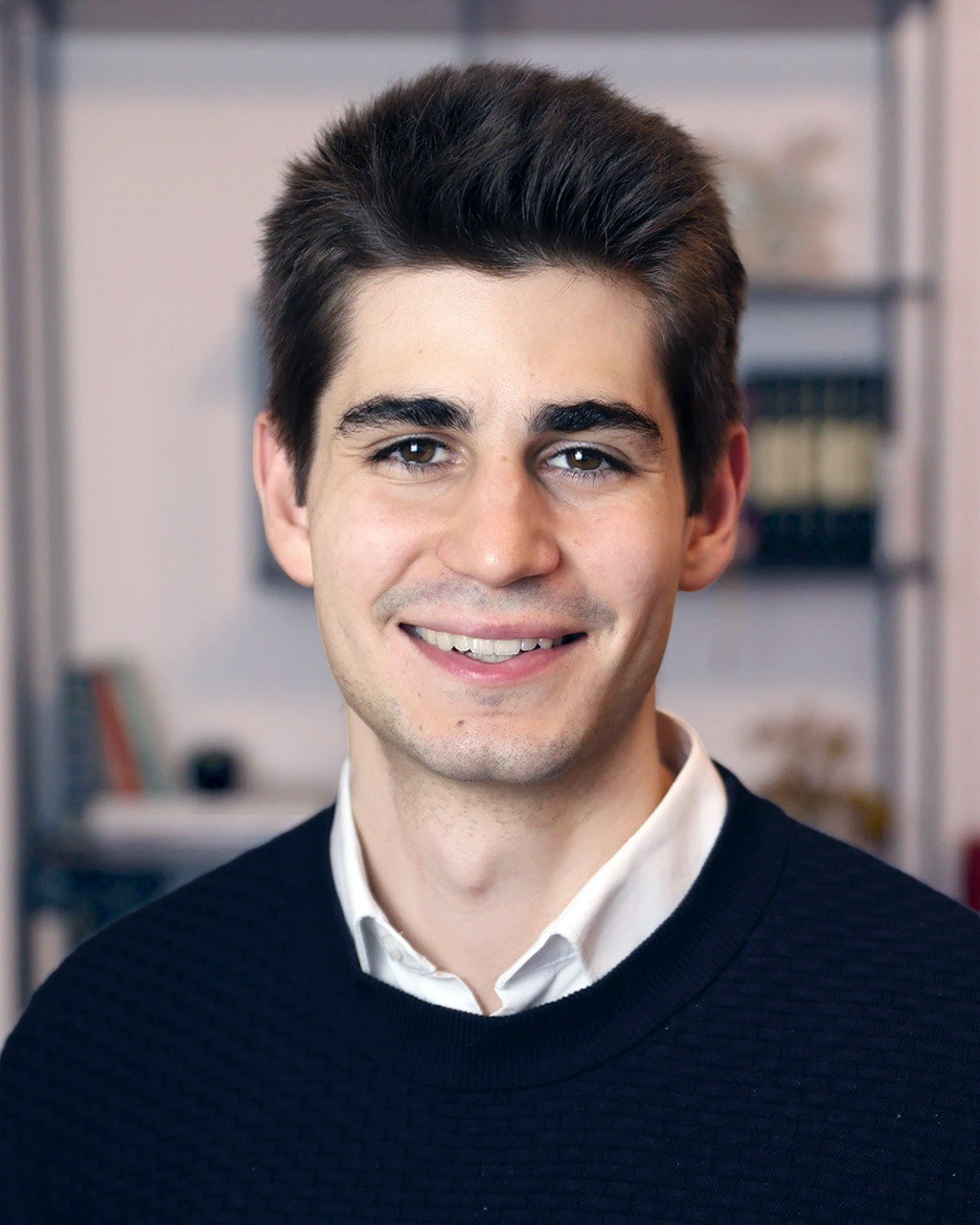
I’m a physicist and researcher at the Technical University of Munich. My research focuses on improving X-ray imaging through two additional contrast channels, phase and dark-field, which let us spot details that conventional scanners miss. For example, they can distinguish frozen from unfrozen tissue during cryoablation, a tumor treatment, or reveal minuscule changes in tissue composition caused by disease.
I am particularly excited about virtual histology, a novel technique for visualizing tissue samples in 3D at micrometer resolution. It has great potential to improve diagnoses and disease research, because it shows tissue in its original 3D context without cutting it into thin slices, as is still standard practice in pathology.
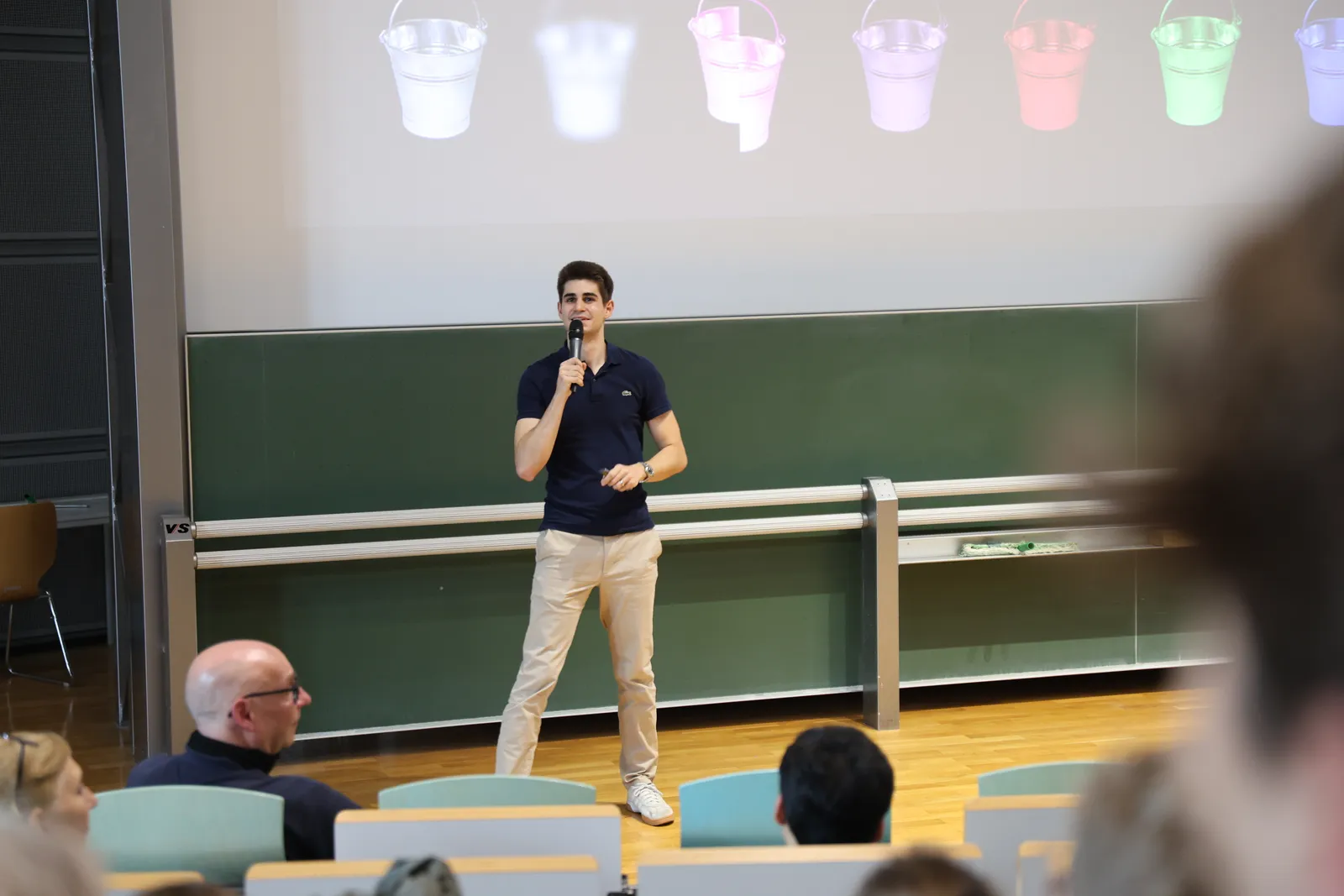
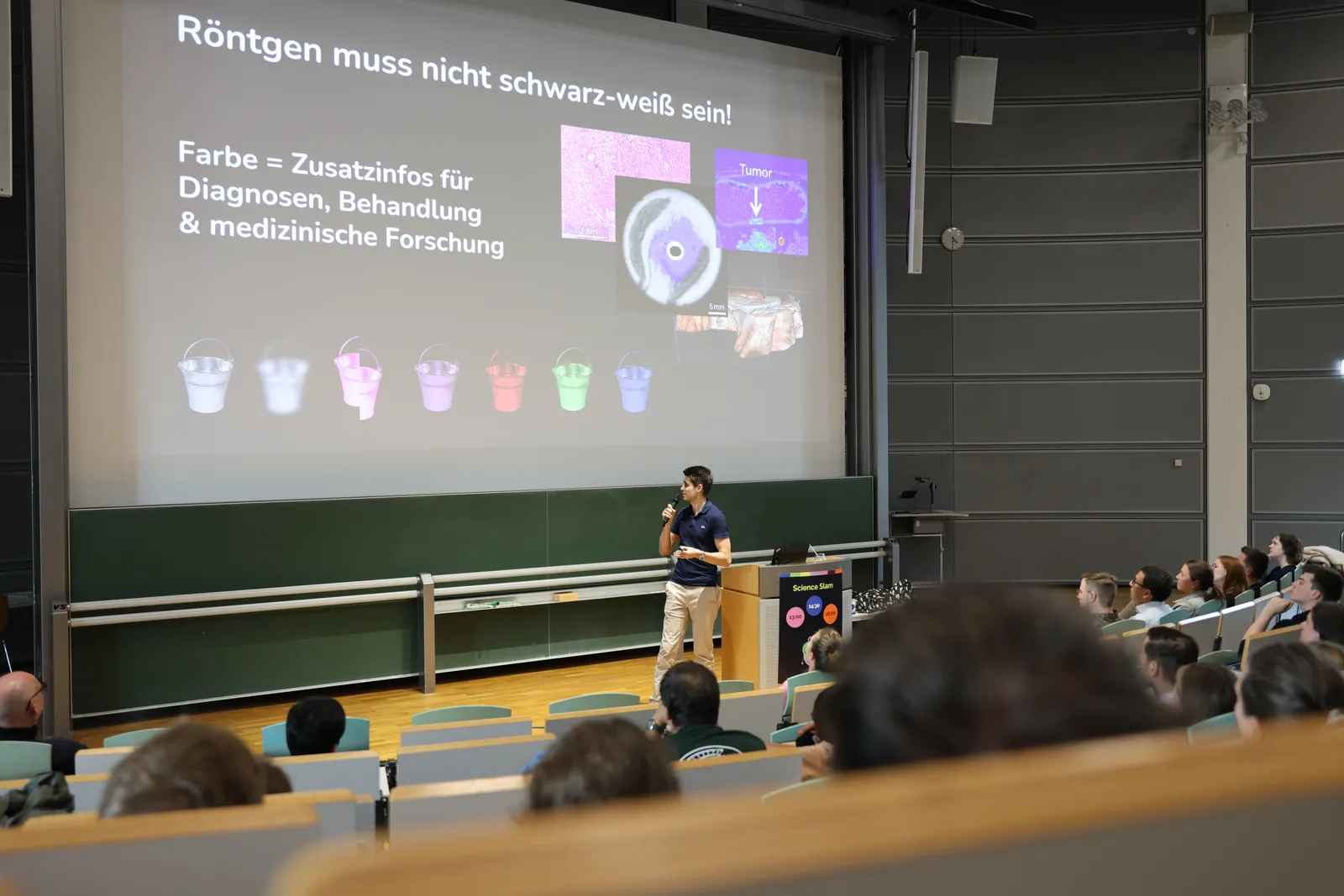
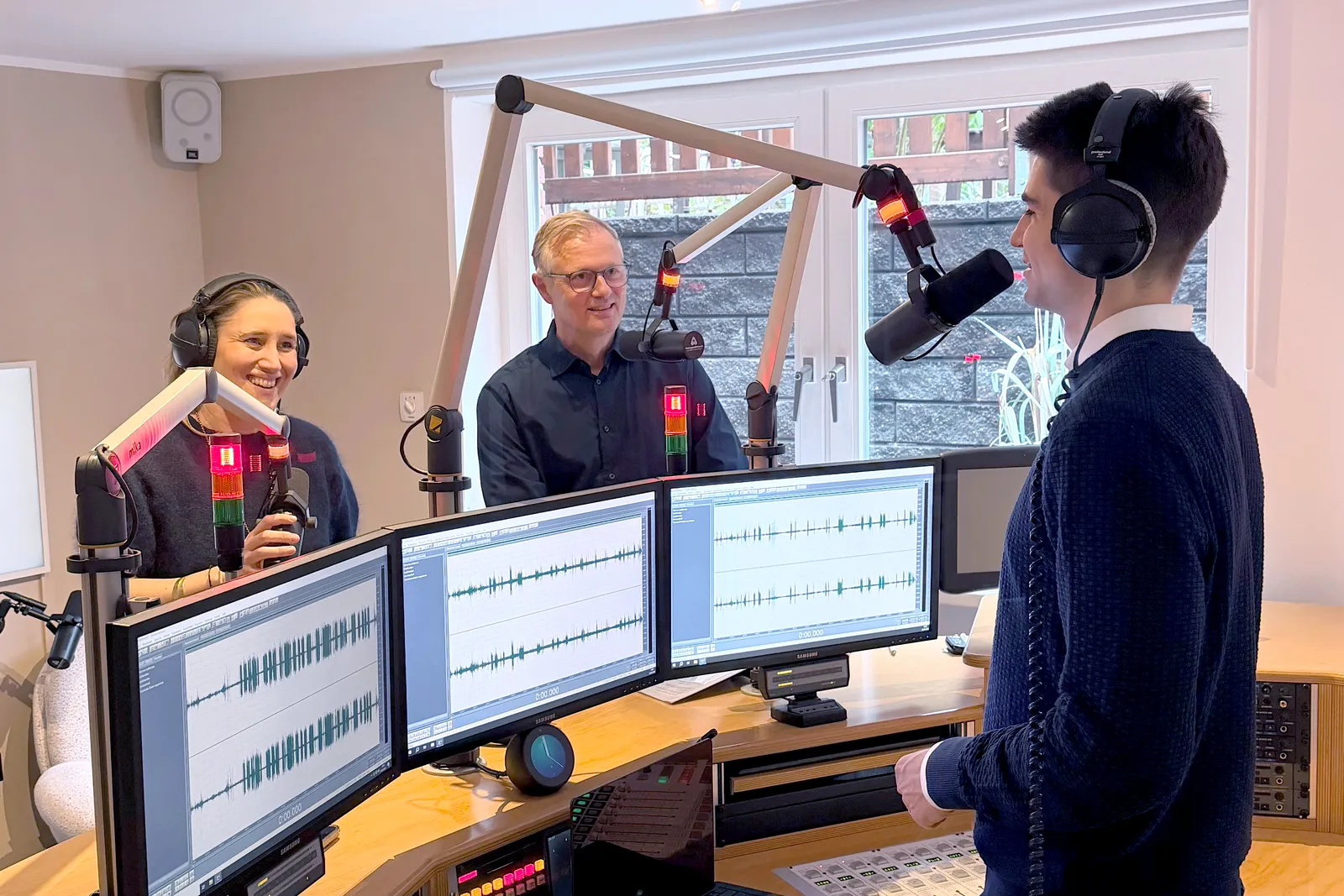
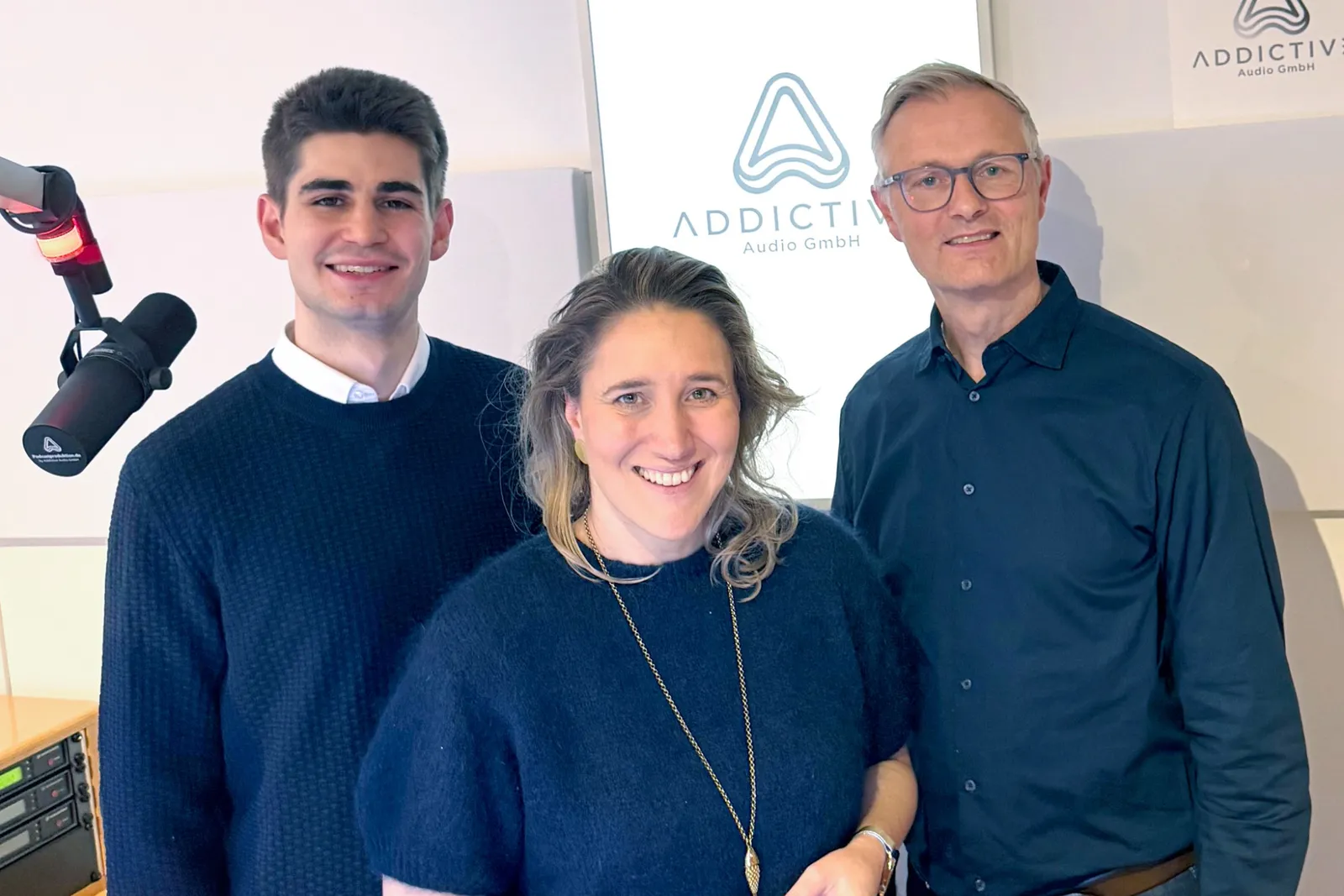
Apart from my research, I love to communicate how science and technology can be used for good, such as improving healthcare and making our society healthier. I do this through YouTube videos, podcasts, blog articles and the occasional science slam.
If you would like to collaborate, or get in touch about software, website or video projects, feel free to reach out!
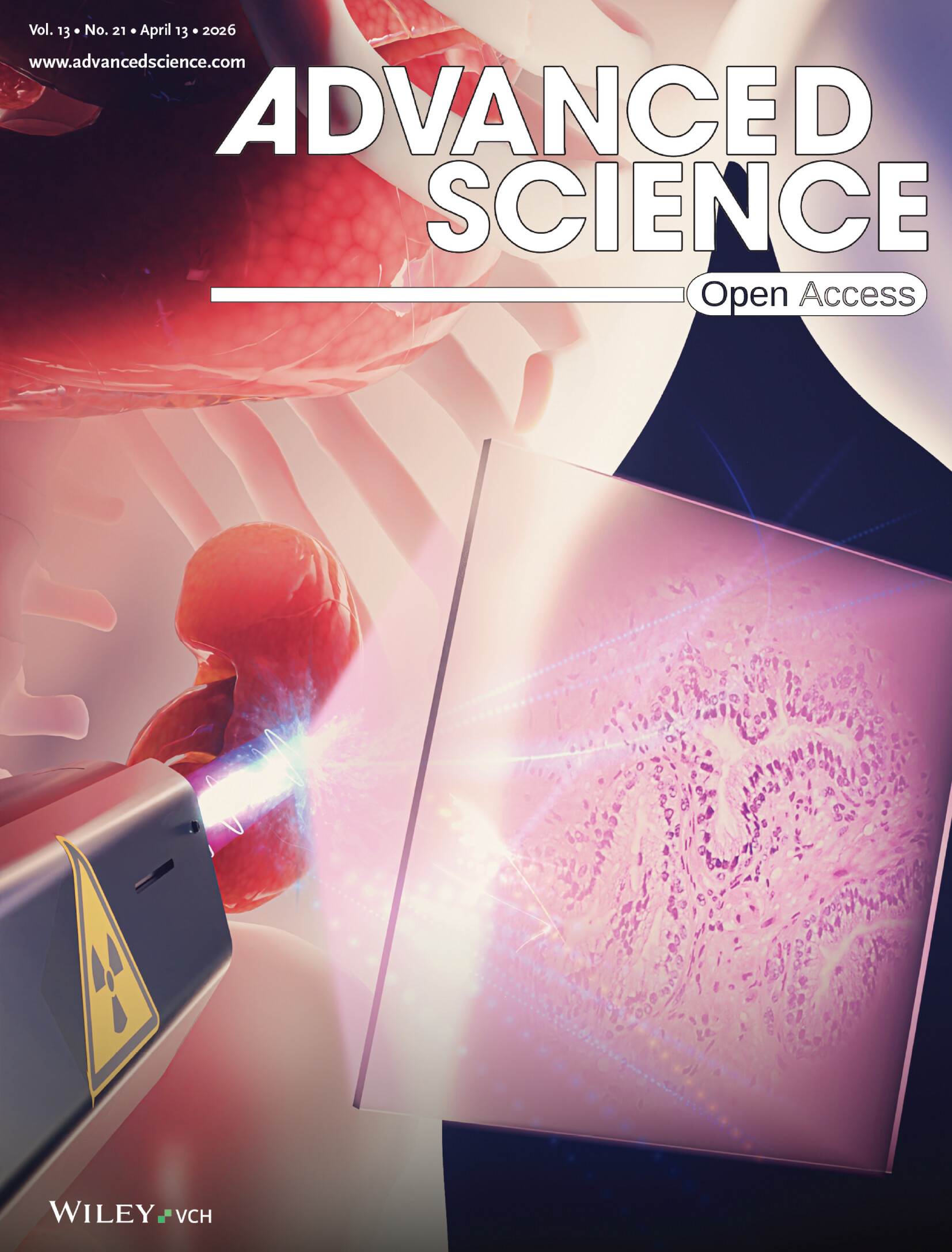
Cover article
Advanced Science 13, 21 (2026) · Article e74957
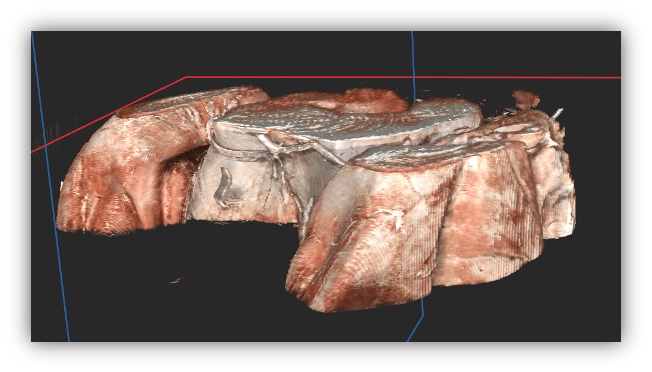
A method that generates microscopy-style histological images directly from 3D X-ray scans of excised tissue. This lets researchers navigate a specimen’s full 3D volume in a familiar histological format, without destroying it in the process.
Exploiting the refractive index and small-angle scattering of X-rays for contrast channels beyond conventional attenuation, both at grating-based lab setups and at synchrotrons.
Fig. from IEEE TIP 2026 · CC-BY
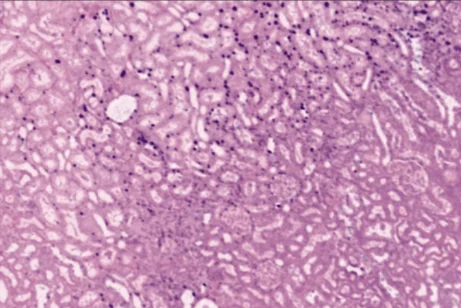
Getting anatomical and tissue-level information out of 3D X-ray scans to aid biomedical research and diagnosis, without physically cutting the sample the way conventional histology requires.
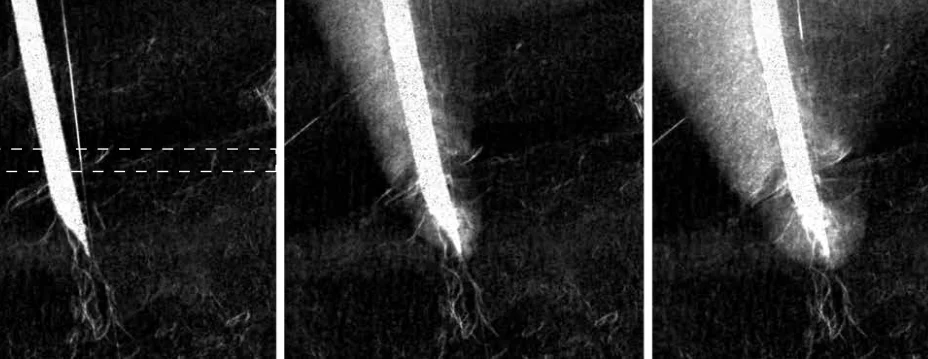
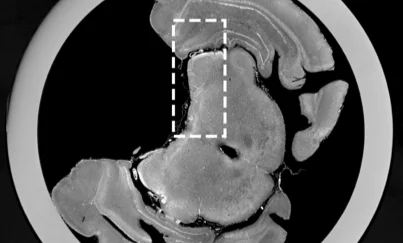
Multimodal monitoring of dynamic processes, by adding phase-contrast and dark-field channels to conventional CT for enhanced contrast and quantitative information. One example: tracking tissue cryoablation as it happens.
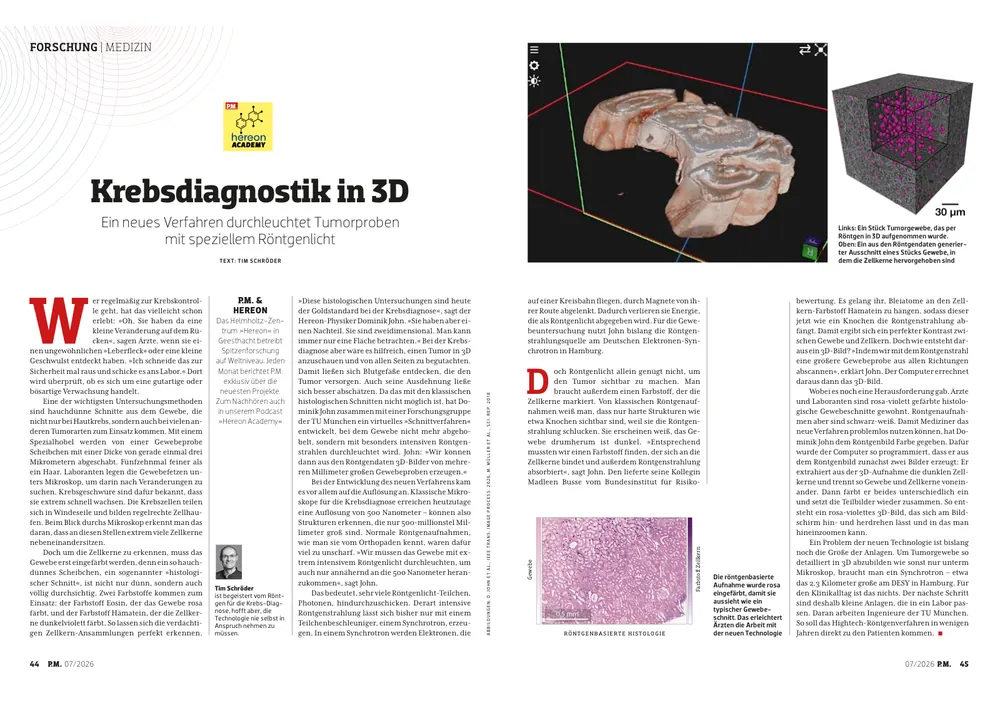
P.M. magazine · Jul 2026
Interview about my virtual histology research in Germany’s second-largest popular-science magazine. We discuss how 3D X-ray imaging of excised tissue could improve cancer diagnostics, letting doctors examine tumors without slicing them into thin sections.
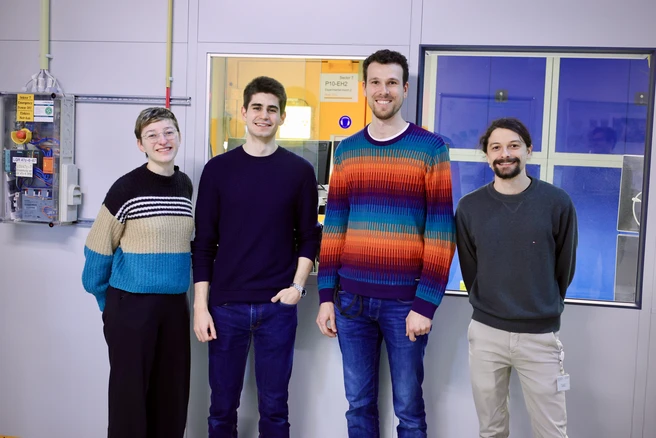
TUM press release · Mar 2026
TUM feature on an advanced X-ray imaging technique that extracts more information from biological specimens while lowering radiation dose.
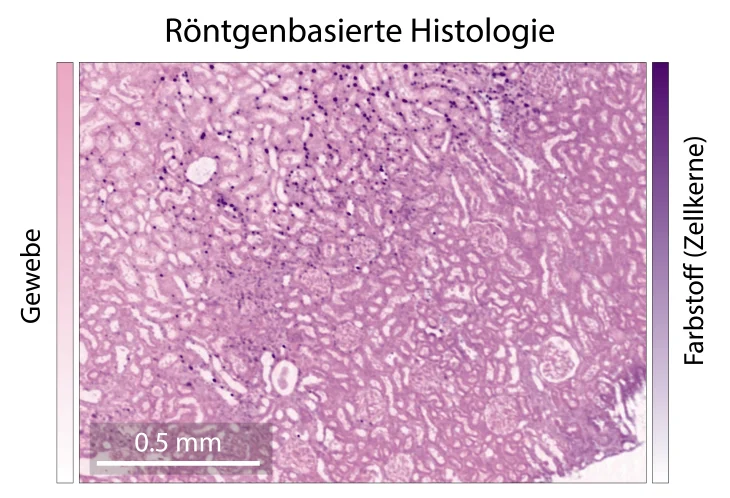
Hereon press release · Jan 2026
Press release on a 3D X-ray method that brings standard histology staining together with whole-specimen imaging, so researchers can see tissue structure in 3D rather than only in thin 2D sections.
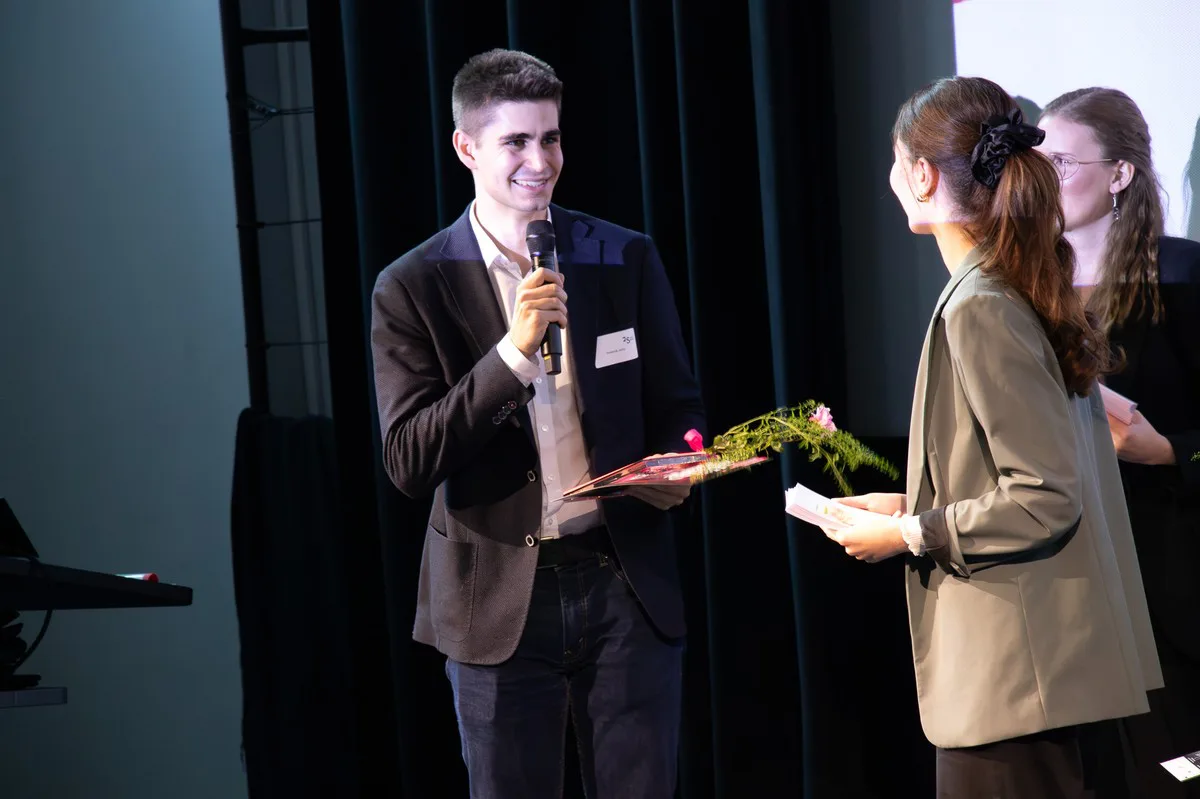
Photo: Simon Esser / Wissenschaft im Dialog
FastForwardScience · 2025
Award-winning short explainer video on why medical X-rays have been monochrome for over a century and how spectral X-ray imaging is finally adding color. The technique distinguishes materials by their energy-dependent attenuation, with the goal of catching disease earlier and more reliably.
Young Scientist Award (Long)Best Debut Video · FastForwardScience 2025
Peer-reviewed. Full, up-to-date list on ORCID and Google Scholar.
Advanced Science · 2026 · Cover article
First method to generate stain-specific 3D maps directly from X-ray scans of excised tissue, letting researchers explore a full specimen in the familiar language of histology, without physically sectioning it.
Optica · 2026
Extracts three simultaneous contrast channels (attenuation, phase, and dark-field) while keeping radiation dose as low as physically possible, maximizing information per absorbed dose. Particularly relevant for imaging sensitive biological tissue at synchrotron sources.
IEEE Transactions on Image Processing · 2026
Stitches overlapping modulator scans to image specimens significantly larger than the detector field of view, making phase and dark-field tomography practical for samples that would otherwise not fit.
Scientific Reports · 2024
Demonstrates real-time dark-field CT tracking of the ice front during tissue cryoablation, a minimally invasive cancer treatment, providing multimodal feedback that enables better control of the treatment procedure.
Light: Science & Applications · 2026
Directional dark-field signal measured for the first time in a nanoscale full-field X-ray microscope, revealing oriented nanostructures within specimens at sub-micron resolution.
Scientific Reports · 2024
Removes noise artifacts from grating-based CT without needing paired clean/noisy training data. This is useful when ground-truth clean images are impossible to obtain experimentally.
Medical Physics · 2025
Dark-field mammography differentiates simple cysts from fibroadenomas, which conventional attenuation-based mammography cannot reliably do. Assessed in a clinical lesion study.


I work with researchers and institutions on scientific software, science communication websites, and explainer video production.
Custom image processing software for large datasets, from synchrotron beamlines to lab setups.
Learn moreWebsites for researchers, labs and science communication projects that are easy to understand.
Learn moreExplainer videos and lab shoots, from script and filming to editing and motion graphics.
Learn more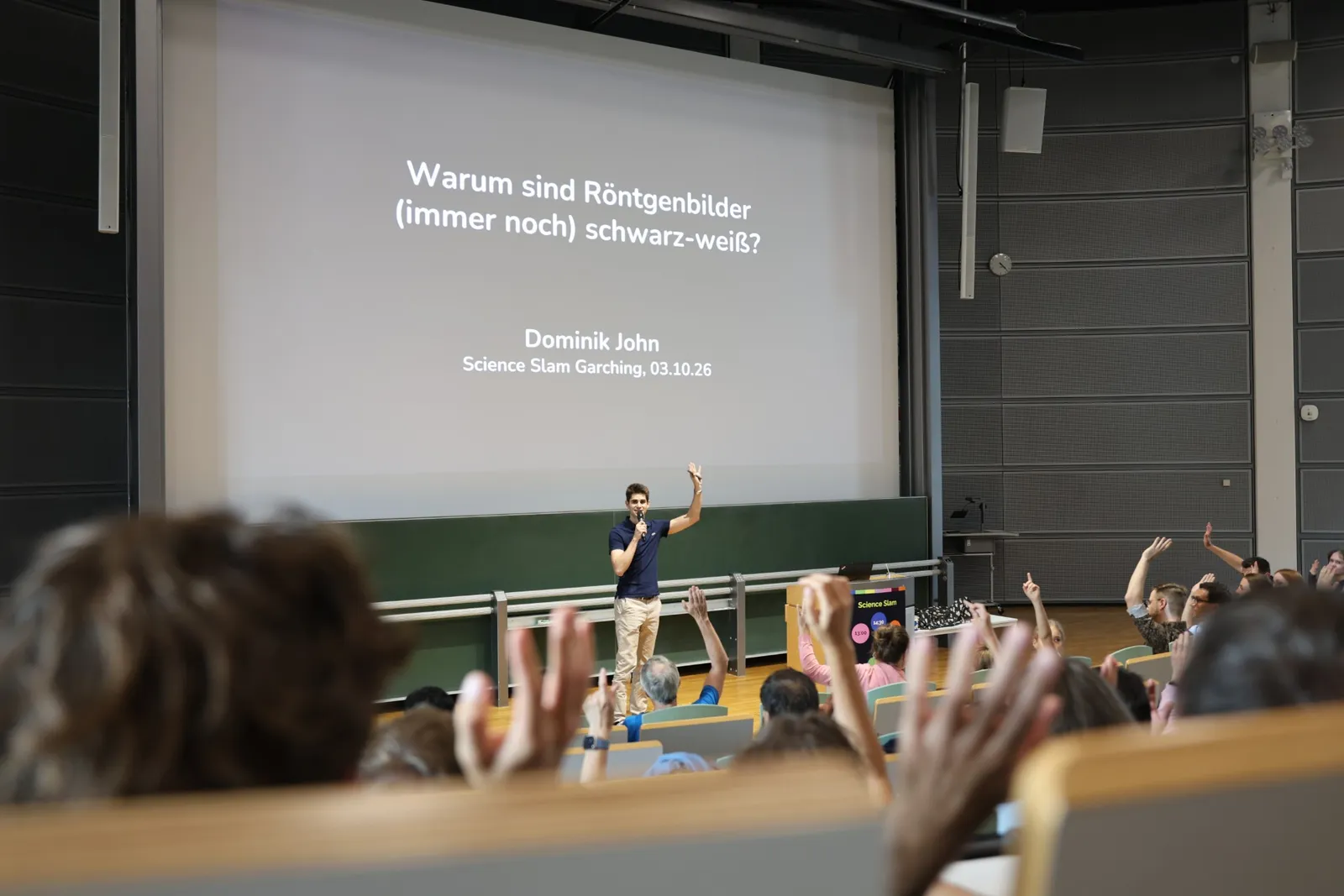
Essays on Medium about the surprising physics of everyday things, and the stories behind why we believe what we believe.
Have a question, a project or an idea for a collaboration? Send me a message.
Or by email: mail [at] dominikjohn.com
Technical University of Munich · Munich, Germany